Railings
Cable railing systems are often misunderstood. Before you make a final decision about your railing options, you should get the truth about cable railing systems, their construction options, how much maintenance they may need, and where you can use them. Join us in debunking the six biggest misconceptions about cable railing systems.
1. Cable Railings Will Block My View
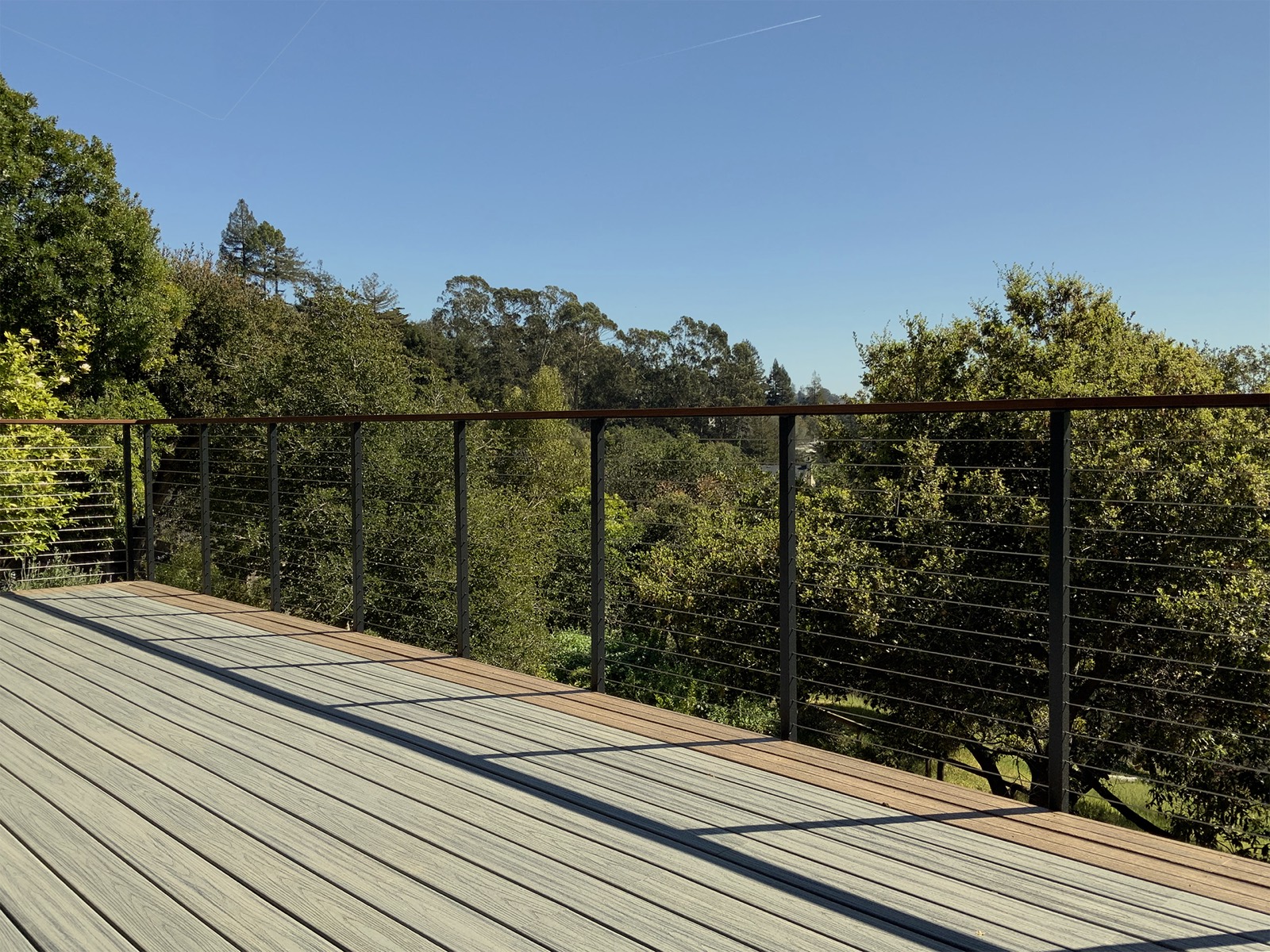
Isn’t glass the best choice if you want an unobstructed view? Actually, no. Glass creates reflections and glare from the sun or other lights. Cable railings won’t bounce light back in your face, and the thin cables are easy to look past. After you adjust, you won’t even notice the rails anymore — just the beautiful view beyond.
2. Cable Railings Are for Outdoor Use Only
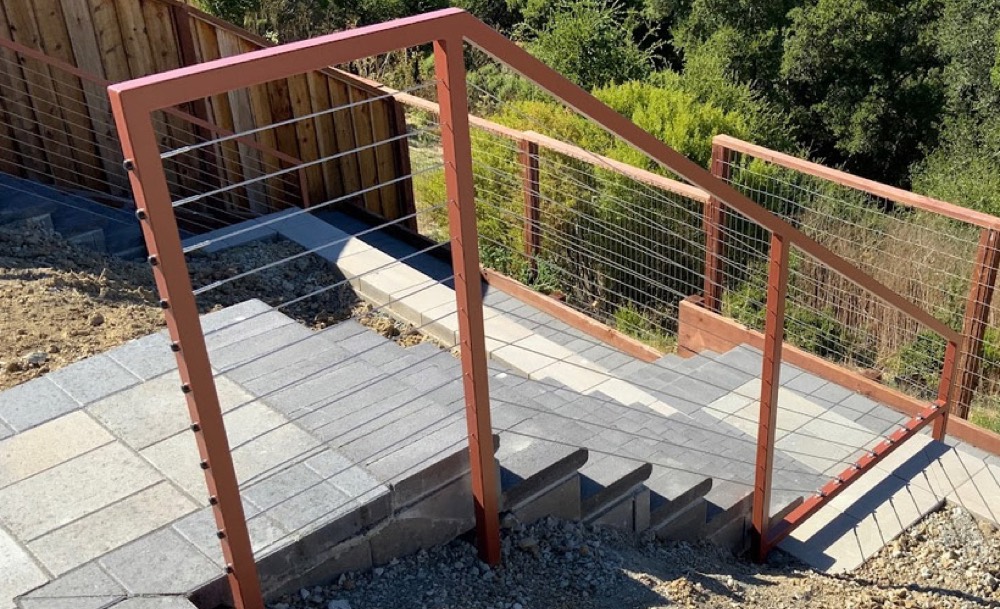
You may see cable railing systems outdoors more often than indoors, but they’re perfectly suitable for indoor use too. Your home’s stair railing and hand railings can be cable railing. In a commercial building, you might use a cable railing system as a boundary on a staircase, or wherever you have an overlook such as an interior balcony or mezzanine.
3. Cable Railings Are Only Metal and Cannot Be Made of Wood
If you want a wood railing, you can get a cable railing system from us. Tom Salas, co-owner and lead installer at Bay Area Cable Railing, has deep knowledge of metalworking and woodworking. He can build you a cable railing system with wood posts. One common solution he uses to make a mixed-material system work is adding sub rails to reduce compression on the top rail. Wood-and-metal railings are safe and give a natural or rustic touch to any property they’re installed on.
4. Cable Railings Can’t Be Put on a Roof
Cable railing systems can be mounted to your roof’s fascia, the secure wooden board that runs around the edge of your roof. By attaching to the fascia, cable railing systems stay secure while maximizing the usable space on your rooftop.
5. Cable Railing Systems Can Be Made with Galvanized or Vinyl-Coated Cable
Not all materials are created equal. While you’ll find installers willing to give you a cable railing system with galvanized or vinyl-coated cable, these materials can corrode or degrade quickly. Galvanized cable corrodes, and vinyl-coated cable wears away where it passes through the post.
Instead of these materials, we typically use 1/8” marine-grade stainless steel cable. It’s thin, strong, and will never sag, buckle, or warp. If you’re getting a commercial railing installed, we may use a thicker cable to add extra strength.
6. Cable Railing Systems Require Maintenance
When properly installed, a cable railing system doesn’t need any maintenance at all. Since our systems never buckle, sag, or warp, it’s also very unlikely that they’ll need repair. The cables we use are rated up to 15,000 pounds, so it’s virtually impossible for them to break — consider that the average car weighs about 4,000 pounds. So whether you need a professional railing contractor in Concord or Sunnyvale, give Bay Area Cable Railing a call today!