Deck & Patio
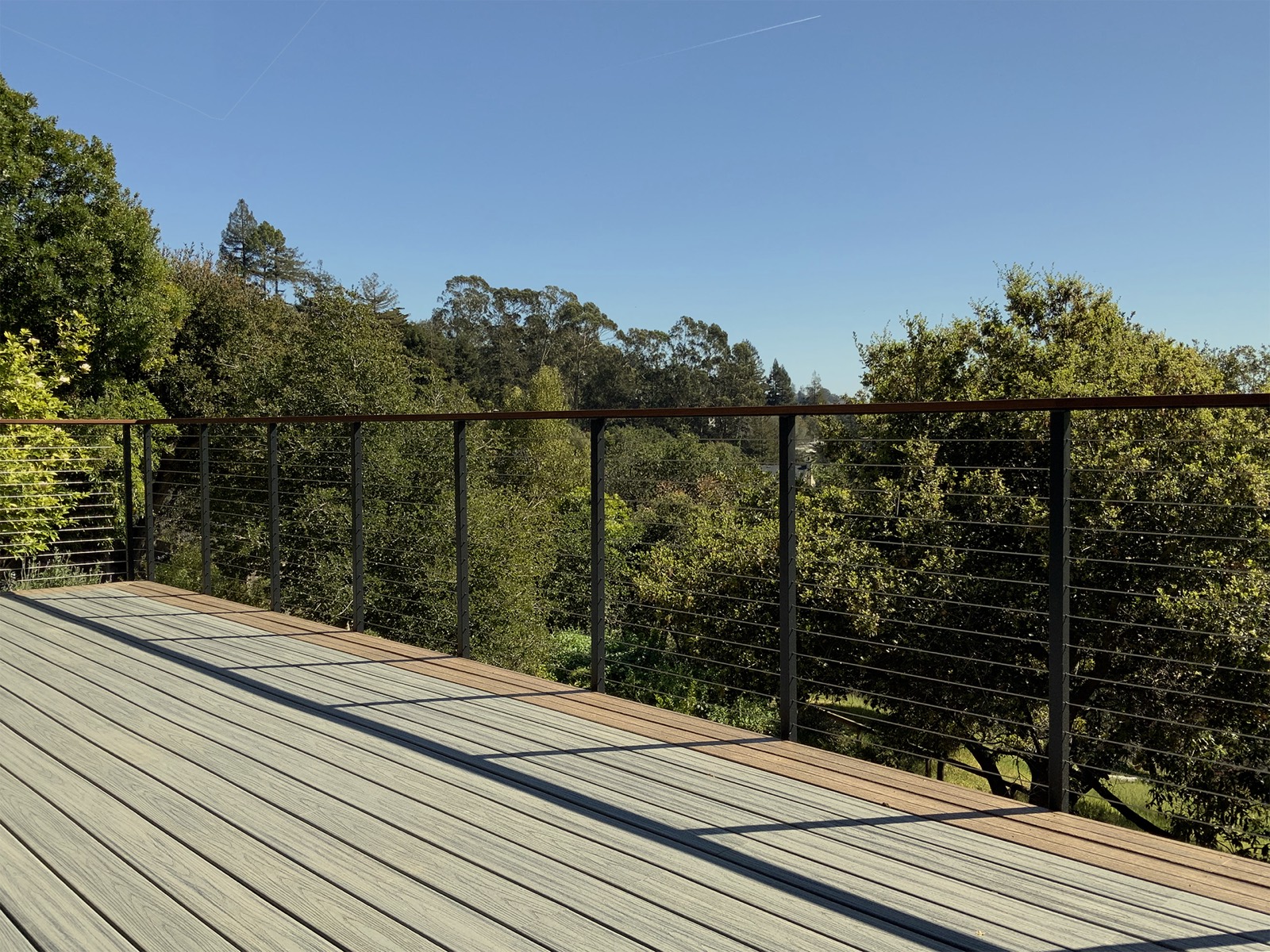
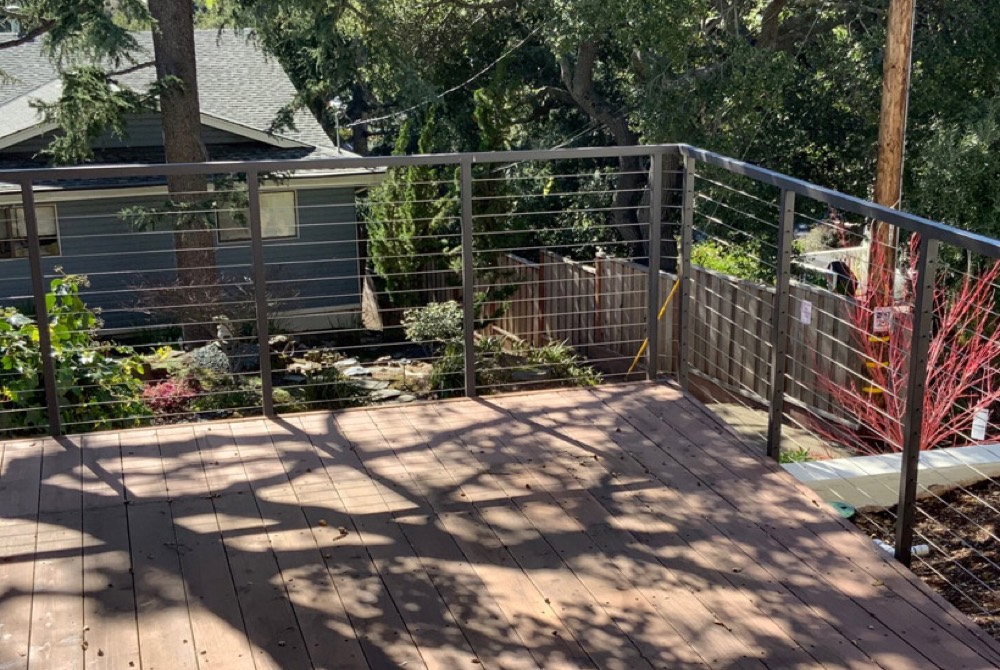
Two popular options often pop up when choosing high-quality decking material: teak and composite. Both types of wood are well-suited to a climate like the Bay Area, where they need to hold up against sun, wind, and moisture year-round. Regardless of your choice, Bay Area Cable Railing guarantees a sturdy deck with rich color.
Both materials are among the most sought-after for outdoor features, but most industry experts recommend composite lumber for decking. If you have a decking project lined up, we can help you choose a suitable material that aligns with your needs. Here are the key differences between teak and composite decking.
Appearance
Teak offers a more traditional and timeless look. It exudes a warm feeling, especially after sanding or when newly installed. The classic appearance and enhanced durability make it a status symbol and a worthwhile investment. Composite decking offers more flexibility and freedom of design, allowing us to build a traditional or contemporary look. The texture and color of composite decking last for an extended period. Whichever material you choose, we can personalize the design to suit your aesthetic preferences.
Durability
Teak is exceptionally durable with proper care and maintenance and lasts 15 to 20 years. The deterioration rate is determined by sanding frequency and usage, hence the need to schedule routine inspections with a trusted railing company. Composite decks, on the other hand, can last over 20 years, which can be achieved with proper installation, quality materials, and proper maintenance. Although some inferior composite material can suffer adhesive failures from shrinking, we use high-quality materials with UV inhibitors to reduce those effects.
Maintenance
As mentioned, maintenance is vital to enhance durability and appeal. Teak decks should be cleaned by scrubbing with a mild, one-part cleaner. If more aggressive restoration is required, we recommend sanding. Refrain from chemical cleaning or power washing, as it removes softwood and leaves ridges that trap contaminants and dirt. Composite is generally easy to clean with soap, water, or power washing. We can assess the condition of your decking material and recommend the most effective maintenance for your needs.
Safety
Teak is a natural surface that’s non-skid in both wet and dry conditions. Composite materials offer similar benefits, which makes both decks a safe option. It’s still important to schedule regular maintenance checks to address minor safety concerns before they become bigger problems. Leverage our expertise and experience to ensure your deck remains in top shape throughout the year.
Cost
Supply is drastically shrinking as legally sourced, old-growth teak trees become scarcer. This has steadily increased timber costs, pushing most property owners on a budget toward cheaper options. According to most publications, composite materials run almost half the price of teak. However, quality and installation vary widely depending on the manufacturer. We use high-end materials and industry-standard tools to keep installation quality high without breaking the bank.
Whichever decking material is best for you, we can guarantee a durable, high-quality result. While composite decking is more popular, we can deliver a great look if you choose teak instead. Contact us at Bay Area Cable Railing and schedule a consultation with our representatives to enjoy quality service at a competitive rate.