Maintenance
You want your balcony to be a joyful space, not one of water damage. There are a few steps to limiting the impact of water on your balcony, not just waterproofing the main surface. Here is what you need to know about waterproofing your balcony.
1. Balcony Installation
If you have a balcony that draws water into the home or damages the property beneath it with poor water flow, the mistakes were made during installation. Proper balconies should slope just slightly down and away from the exterior wall, forcing water to shed away from your indoor space and not into it. The balcony should also be flashed where it connects with the exterior wall.
Unfortunately, if your balcony is missing some of these key features, it may need to be removed and reinstalled. Luckily, these problems are rare.
2. Waterproof Flooring
You can add a waterproof membrane or a sealant to your flooring material if you’re not happy with how it is performing in the water. Wood on a balcony may require regular sealing. Other materials like tile and metal may also benefit from sealing to prevent rust and wear.
Whatever you choose to do, it is best to maintain your flooring from the start rather than try to mitigate water damage afterward. Most sealants and membranes require a clean, flat surface for the best results. If you must remove rust first, or if the material is already soaked with water, it may not be as effective.
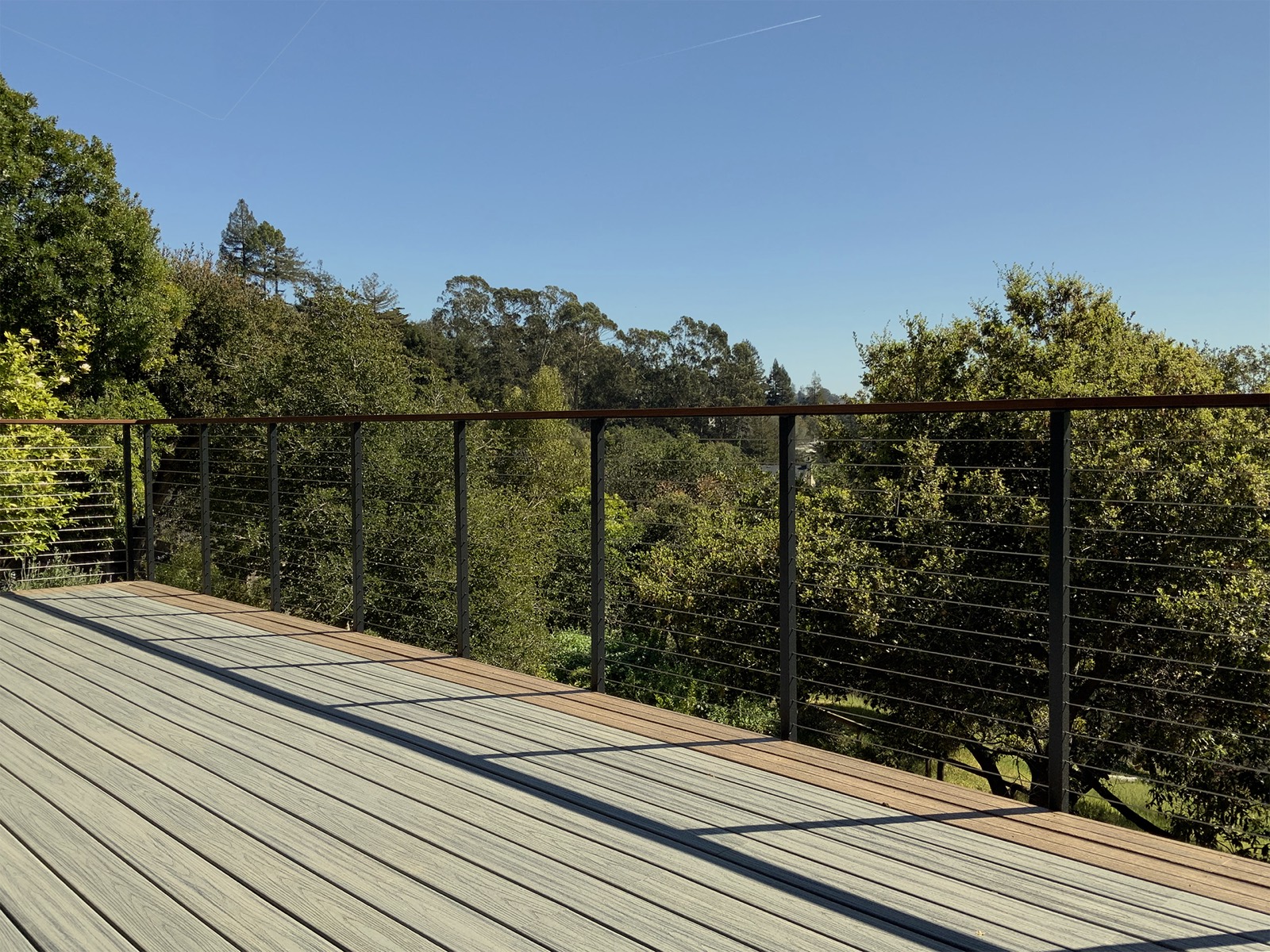
Here are some options you have to waterproof your balcony flooring or railing:
- Polyurethane sealant: This is a good sealant option to fill cracks and gaps in various materials.
- Wood sealant: There are many products available that will seal wood against moisture.
- Liquid waterproofing: Some liquid waterproof products work a bit like thick paint. You pour them out, and they create a whole new layer of waterproof material on top of your floor. This is typically an opaque, rubbery material, so you will lose the look of the flooring beneath it.
- Membrane waterproofing: Instead of a liquid, you buy this as a roll material, kind of like a roll of carpet. Except instead of carpet, it is a thick, waterproof material. It can be challenging to get the rolls to line up horizontally with one another, but the end results often look better than the liquid product.
Not all options will work with all materials. Remember to follow the instructions on the product.
3. Waterproof Balcony Furniture
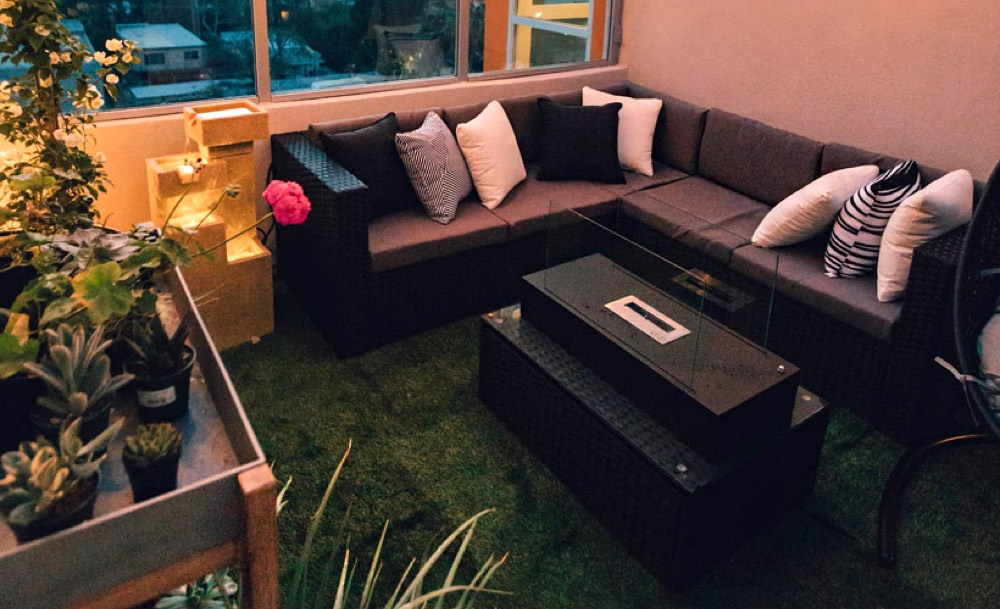
While you have options to waterproof much of the balcony furniture you might choose, they often make it uncomfortable. Placing plastic sheets over fabrics and pillows is a doable solution, but it’s often best to just pick waterproof furniture bases and commit to bringing the fabrics and pillows inside and outside, depending on the weather.
4. Waterproof Balcony Décor
You can also choose balcony décor carefully in order to minimize the impact of the weather on it. For example, if you want candles, you can use lanterns to protect them from wind and rain. Choose ceramic décor over metal, as it better resists rain and won’t rust. Plus, plants are a perfect décor object for balconies that you don’t have to protect from water at all. If your balcony still needs work beyond décor, contact us to talk through a full waterproofing and railing plan.