Design Ideas
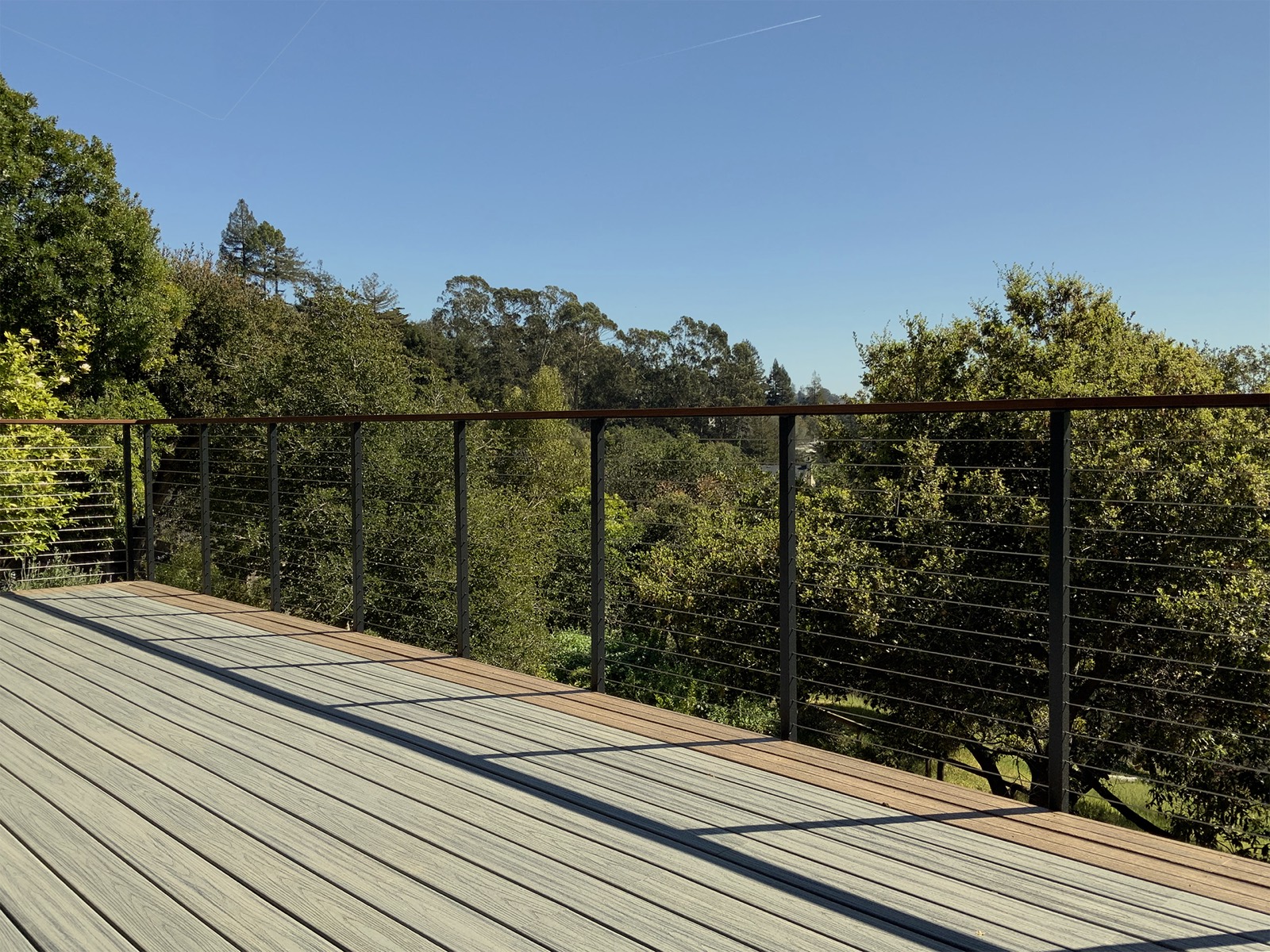
Using cable railing to frame a scenic view is a popular architectural trend for outdoor spaces such as decks, balconies, and terraces. Cable railing systems are favored for their sleek, modern design and minimalistic appearance, which creates an unobstructed view of natural surroundings. Whether you are overlooking mountains, oceans, forests, or city skylines, cable railings can significantly enhance your outdoor experience by allowing the landscape to remain the focal point.
Cable railings are typically made from marine grade stainless steel, which offers both strength and resistance to the elements. This is particularly important for outdoor settings that are exposed to weather conditions such as rain, snow, or salty air near the coast. Stainless steel cables provide a durable solution that won’t corrode or rust over time, maintaining their clean, polished look.
While stainless steel is the most common material for cable railings, you can pair it with different post materials, such as wood, metal, or composite, depending on the design aesthetics of your outdoor space. For instance, a wooden post and handrail combination may give a rustic yet modern look, perfect for mountain cabins or lakeside retreats. On the other hand, metal posts offer a sleek, contemporary appearance that pairs well with urban or beachfront settings.
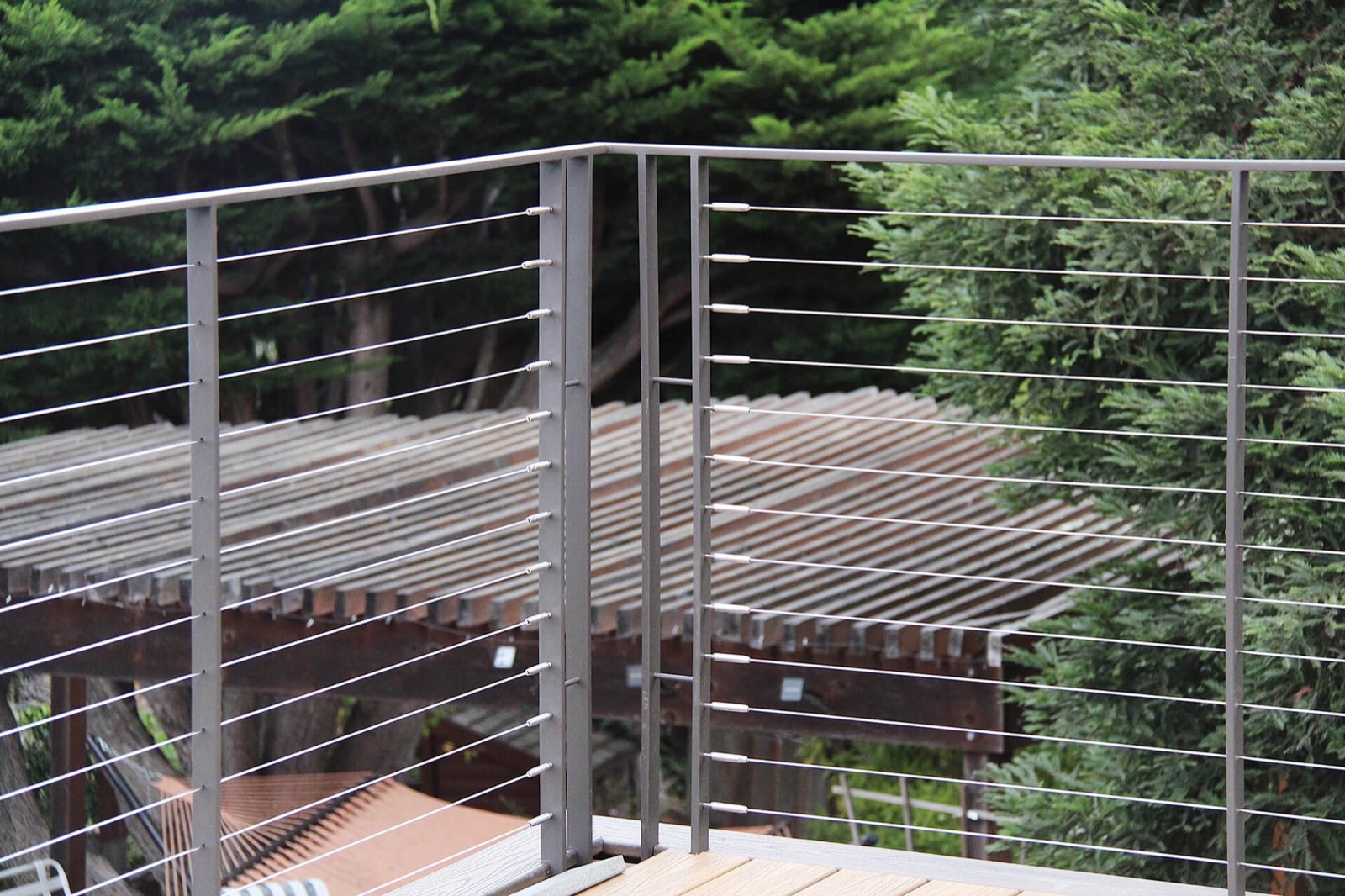
The primary reason homeowners choose cable railing systems is for the nearly invisible barrier they create. Unlike traditional wooden or metal railings, which can block significant portions of a view, cable railings use thin horizontal or vertical cables spaced close enough for safety, but far enough apart to maintain clear sightlines.
To enhance transparency further, consider using slim posts or opting for a top rail that complements the view rather than competing with it. A thin handrail made from metal or wood can maintain structural integrity while still keeping the view open. By minimizing the bulkiness of the railing system, the beauty of the landscape remains uninterrupted.
Cable railing systems need to comply with safety standards, which typically require that the spacing between cables be no wider than four inches. This ensures that the railing prevents accidents while maintaining an unobstructed view. To keep the cables taut and avoid sagging over time, tensioning devices are installed at the ends of the cable runs. This allows for adjustments if the cables loosen due to weather changes or prolonged use.
When framing a scenic view, the right tension and spacing of the cables are crucial. Well-maintained cables will appear almost invisible, drawing attention to the landscape rather than the structure itself. A professional installation ensures the cables are properly tensioned and spaced to meet both aesthetic and safety requirements.
One of the biggest advantages of cable railings is their ability to blend seamlessly with the surrounding environment. Whether you’re looking out at a serene forest, a sparkling ocean, or a vibrant city skyline, the railing system should complement the natural beauty of the view, not detract from it.